Installing landscape fabric under gravel starts with preparing a stable base, measuring the area correctly, and securing the fabric before adding the stone. So, How to lay landscape fabric under gravel? Proper installation helps prevent the gravel from mixing with the underlying soil, reduces surface movement, and makes paths and driveways easier to maintain. In Round Rock, TX, ground preparation and proper drainage are particularly important for outdoor surfaces exposed to heat and occasional heavy rainfall. This guide explains how to prepare the ground, position and overlap the fabric, spread gravel at the appropriate depth, and install edging for a clean, durable finish.
How to Lay Landscape Fabric Under Gravel: A Step-by-Step Guide
Laying landscape fabric under gravel is an easy-to-follow process that extends the life of your gravel installations. Follow these steps to ensure the best results:
Prepare the Area:
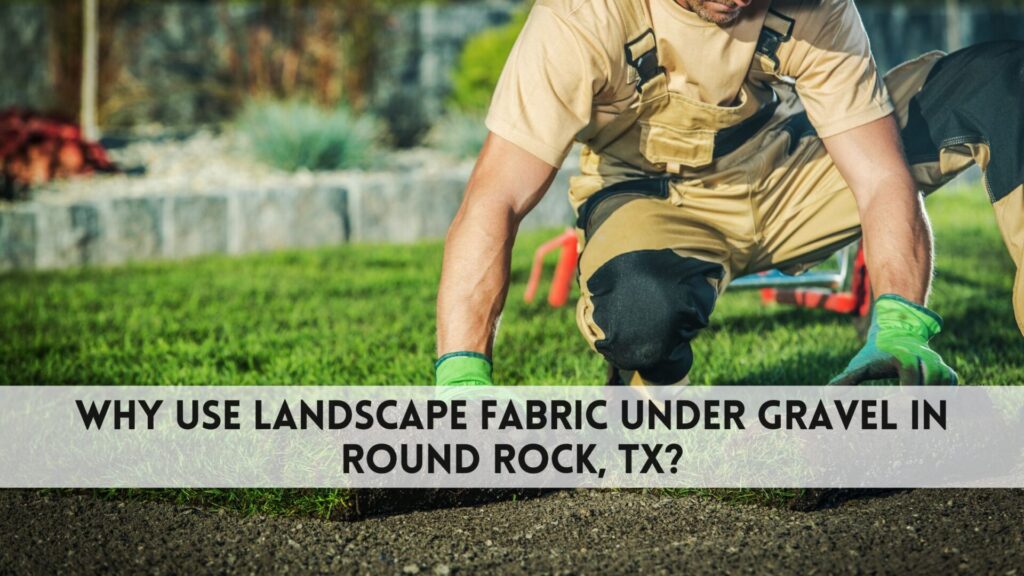
Remove existing gravel, vegetation, roots, and loose debris from the installation area. Excavate the ground to accommodate the planned base and gravel depth without leaving the finished surface too high. For paths and driveways, check the soil for soft spots and areas where water collects. Compact the exposed ground and add a suitable compacted aggregate base if the project requires additional load-bearing support. Starting with firm, properly graded ground helps prevent ruts, sinking, and uneven gravel coverage.
Level the Ground:
Use a rake to remove bumps and fill shallow depressions before compacting. Shape the surface to direct water away from buildings and prevent standing water beneath the gravel. A hand tamper or plate compactor can help create a firm base, particularly for frequently used paths and driveways. Avoid laying fabric over loose soil or unstable areas, as movement beneath the material can cause the gravel surface to become uneven over time.
Measure and Cut the Fabric:
Measure the length and width of the prepared area, allowing extra fabric at the edges and where separate sheets meet. Cut the material with a utility knife or heavy-duty scissors to fit the path, driveway, or garden bed. For irregular layouts, position the fabric before trimming around curves and corners. Planning the cuts in advance reduces unnecessary seams and helps ensure the entire gravel area has continuous coverage.
Install the Landscape Fabric:
Unroll the fabric over the prepared base and smooth out wrinkles so the material lies flat against the ground. Overlap adjoining sheets by approximately 6–12 inches, following the manufacturer’s instructions and allowing for ground conditions. Secure the edges and seams with landscape fabric pins or staples to prevent movement while the gravel is spread. Cut small openings only where necessary for existing plants or fixed features. Keep the fabric continuous wherever possible to limit soil exposure and reduce the risk of gravel mixing with the ground below.
Add the Gravel:
Once the landscape fabric is properly in place, spread the gravel evenly over the fabric. Ensure a gravel depth of 2–3 inches for proper coverage and stability. This thickness is important to maintain the effectiveness of the fabric underneath while preventing the gravel from shifting. Properly distributed gravel will keep your surface smooth, attractive, and resistant to weed growth while enhancing the durability of your installation.
Install Edging:
Install metal, plastic, stone, or another suitable edging material along the perimeter to contain loose gravel. Set the edging securely and at the appropriate height so the stone remains within the intended area without spilling onto lawns or walkways. For paths and driveways, select edging strong enough for the expected use and ensure it does not interfere with drainage. Finish by raking the gravel evenly along the borders to create a defined surface.
Common Mistakes to Avoid When Laying Landscape Fabric Under Gravel
While laying landscape fabric under gravel is relatively simple, some common mistakes can hinder its effectiveness:
– Insufficient fabric overlap: Gaps between fabric sheets can expose the soil and allow gravel to mix with the ground below. Overlap seams as recommended by the manufacturer and secure them with landscape pins.
– Poor ground preparation: Loose soil, roots, and soft spots can cause sinking and uneven gravel. Remove unsuitable material, fill low areas, and compact the base before installation.
– Using unsuitable fabric: Choose durable, permeable landscape fabric designed for the intended application. For driveways, select and calculate a product suitable for the expected load and ground conditions.
– Insufficient gravel coverage: A shallow gravel layer can leave fabric exposed and make the surface more prone to movement. Maintain consistent coverage and choose a depth appropriate for the gravel size and intended use.
How to Keep a Gravel Surface Stable After Installation?
- Rake displaced gravel back into place: Restore an even surface where foot traffic or vehicles have moved the stones.
- Replenish thin areas: Add gravel where the underlying fabric becomes exposed or coverage decreases.
- Inspect the edging: Repair loose or damaged edging before gravel spreads into surrounding areas.
- Correct drainage problems: Fill depressions and address water pooling before it causes further surface deterioration.
Conclusion
So, how to lay landscape fabric under gravel? Installing landscape fabric under gravel requires careful ground preparation, accurate measurements, secure seams, and consistent stone coverage. In Round Rock, TX, a firm base and proper drainage can reduce sinking, rutting, and uneven gravel distribution.
Use appropriate fabric, maintain sufficient overlap, and install sturdy edging to keep the stone within the intended area. For driveways and other high-traffic surfaces, make sure the underlying base is designed for the expected load. These installation practices help create a more durable, functional gravel path, driveway, or garden bed with fewer maintenance issues.
Frequently Asked Questions
How thick should gravel be over landscape fabric?
For light-use garden paths, a 2–3-inch gravel layer may be sufficient. Driveways generally need a deeper, properly prepared aggregate base and a gravel depth suited to vehicle traffic and stone size.
Should landscape fabric go over soil or a gravel base?
Landscape fabric can go over prepared soil for light-use areas. For driveways and heavily used paths, a compacted aggregate base may be needed beneath the fabric, depending on soil conditions and the installation design.
How do you keep gravel from moving on landscape fabric?
Install secure edging, spread gravel evenly, and prepare a firm base before laying the fabric. For driveways, use a suitable aggregate base and gravel designed for vehicle traffic.
Does landscape fabric prevent gravel from sinking into the ground?
Landscape fabric helps separate gravel from the underlying soil, reducing mixing. However, it cannot prevent sinking caused by soft ground, poor compaction, excessive loads, or inadequate base preparation.