Adding soil on top of landscape fabric may seem like a practical way to create a planting surface, but it is generally not the best approach for garden beds. Soil can accumulate organic matter above the barrier, weeds can eventually establish themselves, and plant roots may have difficulty reaching the ground below. The right approach depends on whether the area is intended for growing flowers and shrubs or covering the ground with decorative materials. For homeowners in Round Rock, TX, understanding how landscape fabric interacts with soil can help prevent planting problems and avoid unnecessary maintenance.
What is Landscape Fabric?
Landscape fabric is a permeable or semi-permeable geotextile commonly installed over prepared ground beneath mulch, gravel, or decorative rocks. Its purpose is to suppress weeds while allowing some water to pass through. However, it is not a substitute for healthy planting soil, and placing soil over the material does not automatically create a suitable environment for flowers, vegetables, or other plants. Its suitability depends on how you plan to use the landscape area.
Do You Put Soil on Top of Landscape Fabric?
In most planting beds, adding soil over landscape fabric is not recommended. Landscape fabric is designed primarily as a barrier beneath surface materials, not as a growing medium for plants. Soil spread over the fabric can collect seeds, leaves, and other organic debris, allowing weeds to establish themselves over time.
The fabric can also interfere with normal root development, particularly when plants need to spread into the underlying soil. Although water may pass through permeable fabric, fine particles and organic matter can accumulate and clog the material, restricting water movement. For decorative rock beds with no planting requirements, you can install landscape fabric beneath the rocks when appropriate. For flower beds, vegetable gardens, and areas where plants need room to develop, using healthy soil with a suitable organic mulch layer is generally a better option.
What Should You Use Instead of Soil Over Landscape Fabric?
For Flower and Shrub Beds
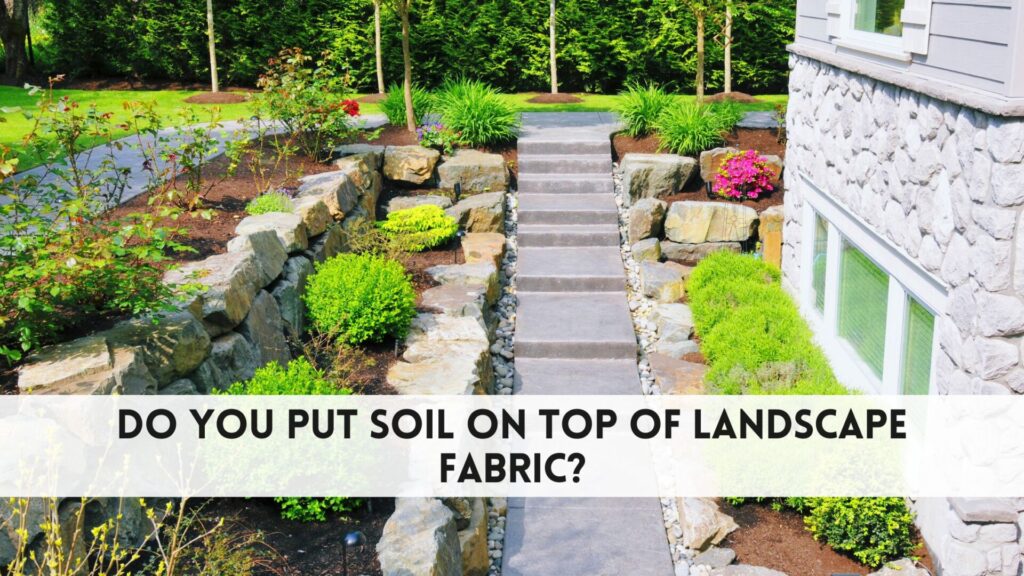
Prepare the existing ground by removing weeds and loosening compacted soil. Incorporate suitable organic matter where needed, then plant directly into the prepared soil. A layer of organic mulch can help conserve moisture, moderate soil temperature, and suppress weeds without creating a synthetic barrier between the plants and the ground.
For Vegetable Gardens
Use a dedicated planting bed filled with suitable growing soil and compost. Avoid placing landscape fabric beneath the main root zone when crops need to develop freely into the surrounding soil. Some specialized growing systems use fabric, but their design must account for root space, irrigation, and drainage.
For Decorative Rock Beds
If the area is primarily decorative, landscape fabric may be placed over prepared ground beneath the rock layer. Keep soil and organic debris from accumulating on top, and avoid covering the fabric with a deep layer of planting soil. If you intend to add plants later, plan suitable planting areas before installation.
If Soil Is Already on Top of Landscape Fabric
Check whether plants are growing in the area and whether water drains properly. For a planting bed, consider removing the fabric and improving the underlying soil before replanting. For a decorative bed, remove excess soil and organic debris where practical, then reassess whether the barrier is still serving its intended purpose.
Final Words
So, do you put soil on top of landscape fabric? For most planting beds, the answer is no. Landscape fabric works better as a barrier beneath suitable surface materials than as a foundation for a new layer of growing soil. Adding soil over the fabric can encourage weeds to establish above the barrier and may restrict root development. For flowers, shrubs, and vegetables, preparing healthy soil and using organic mulch is generally the better approach. For decorative rock beds, fabric may still be useful when installed correctly. Homeowners in Round Rock should choose landscaping materials based on the plants, soil conditions, and intended use of the area.
Frequently Asked Questions
Can plants grow in soil placed over landscape fabric?
Plants may grow in shallow soil above landscape fabric, but roots can become restricted, and weeds may establish themselves over time. Direct planting in prepared soil generally supports healthier root development.
Will soil eventually break down landscape fabric?
Soil does not necessarily break down synthetic fabric directly, but accumulated organic matter, moisture, and exposure can contribute to deterioration. Fabric can also become clogged, reducing its effectiveness.
Should I remove landscape fabric before adding a new garden bed?
Removing the fabric is generally preferable when creating a planting bed. It allows roots to access the underlying soil and makes it easier to improve soil structure with compost and other suitable amendments.
Can I put compost on top of landscape fabric?
Compost can accumulate above the fabric, but it is generally better incorporated into the planting soil. For established plants, apply compost according to their needs without creating an unsuitable growing layer above the barrier.
Is landscape fabric better than mulch for preventing weeds?
They serve different purposes. Landscape fabric creates a physical barrier, while organic mulch suppresses weeds, conserves moisture, and gradually improves soil as it decomposes. Mulch alone is often preferable in planting beds.