In Austin’s hot climate, selecting the right irrigation system is essential for maintaining a healthy and efficient landscape. Understanding the difference between sprinkler systems and drip irrigation allows homeowners to optimize water usage while protecting their lawn and plants from stress. Each system is designed for specific applications, impacting coverage, efficiency, and long-term costs. When comparing drip irrigation system vs sprinkler, factors such as water conservation, soil conditions, and landscape layout play a key role. Making the right choice not only improves plant health but also reduces water bills and supports sustainable landscaping practices across Austin properties.
What is a Sprinkler Irrigation System?
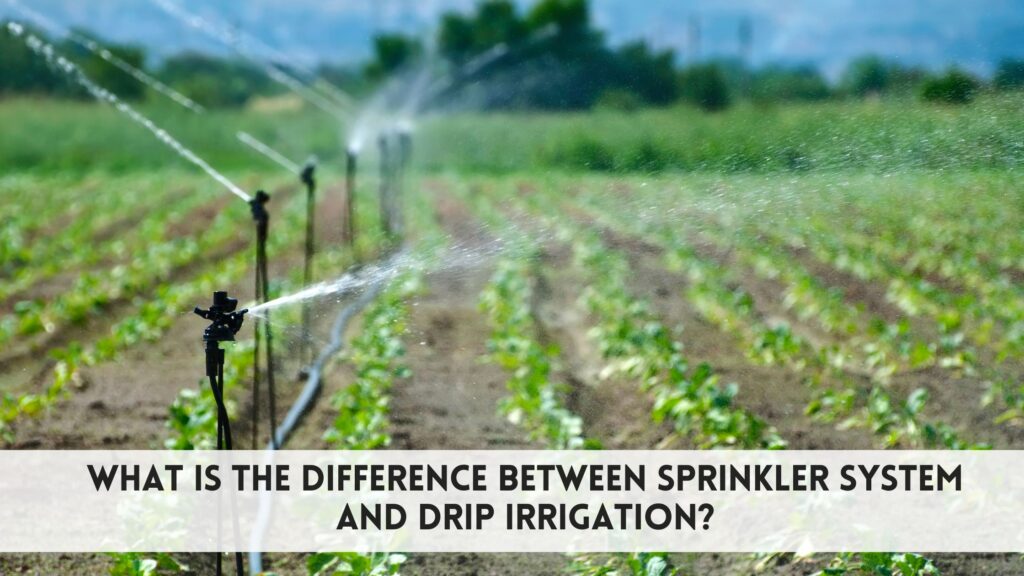
A sprinkler irrigation system is designed to distribute water evenly across landscaped areas by spraying it through strategically placed heads. This method ensures consistent coverage, making it highly effective for lawns, open green spaces, and commercial properties. The system operates through a network of pipes, valves, and timers that regulate water flow and scheduling. In warmer climates, proper setup is essential to reduce water loss caused by evaporation and wind. Regular maintenance, including adjusting spray patterns and checking for leaks, helps maintain optimal performance, ensuring landscapes remain healthy, green, and well-nourished throughout the year.
What is a Drip Irrigation System?
A drip irrigation system is designed to deliver water slowly and directly to the base of plants through a network of tubes, emitters, and control valves. This method targets the root zone, allowing plants to absorb moisture efficiently with minimal runoff or evaporation. It is widely used for gardens, shrubs, trees, and landscaped areas that require precise watering. The controlled flow helps maintain consistent soil moisture, promoting healthier plant growth. With proper installation and routine maintenance, this system supports long-term water conservation while improving the overall performance and sustainability of residential and commercial landscapes.
Difference between Sprinkler System and Drip Irrigation
| Factor | Sprinkler Irrigation System | Drip Irrigation System |
| Water Efficiency | Uses more water due to evaporation and wind drift, especially in hot climates. | Highly efficient, delivers water directly to roots with minimal waste. |
| Coverage Area | Best suited for large lawns and open landscapes requiring broad, even coverage. | Ideal for targeted areas like garden beds, shrubs, and trees. |
| Installation Cost | Higher upfront cost due to extensive piping, trenching, and system components. | More affordable installation, especially for smaller or plant-focused landscapes. |
| Maintenance | Requires regular adjustments, nozzle cleaning, and leak checks to maintain performance. | Easier to maintain, though emitters may need occasional cleaning or replacement. |
| Water Distribution | Sprays water over a wide area, similar to rainfall. | Delivers slow, controlled water flow directly to the soil. |
| Suitability | Works best for turfgrass and uniform lawn areas. | Best for plants that need precise watering and consistent moisture levels. |
| Climate Adaptability | Less efficient in hot, خشک conditions due to water loss. | Performs well in dry climates by minimizing evaporation and conserving water. |
Selecting the right irrigation method depends on your landscape design, plant types, and long-term water management goals. A well-planned system improves efficiency, reduces waste, and supports healthier plant growth. Consulting a professional ensures proper installation and optimal performance for your outdoor space.
Which Irrigation System is Better for Your Austin Property?
Choosing the right irrigation system depends on your landscape layout, plant types, and water efficiency goals. Properties with large lawns benefit from systems that deliver even, widespread coverage, ensuring consistent grass health. In contrast, garden beds, trees, and shrubs require a more precise watering approach to maintain proper soil moisture without waste. Many homeowners in Austin achieve the best results by combining both methods, creating a balanced system that supports all areas of the landscape. This approach not only enhances plant health but also improves water conservation, reduces utility costs, and ensures your outdoor space remains vibrant and well-maintained throughout the year.
Cost Comparison in Austin, TX
Understanding local pricing helps you make an informed investment decision.
- Sprinkler System Installation: Typically ranges from $2,500 to $6,000 depending on lawn size, zoning, and system complexity.
- Drip Irrigation Installation: Usually costs between $500 and $3,500, based on the number of plants and layout design.
When to Upgrade Your Irrigation System?
If your current system is outdated or inefficient, it may be time for an upgrade. Watch for these signs:
- Uneven watering or dry patches across your lawn
- Increasing water bills without improved landscape health
- Frequent leaks, clogs, or system breakdowns
- Overspray onto sidewalks or driveways
- Poor plant growth despite regular watering
Conclusion
Understanding the difference between sprinkler system and drip irrigation is essential for making the right investment in your landscape. Each system offers unique advantages, and the best choice depends on your property size, plant requirements, and water efficiency goals. When comparing drip irrigation system vs sprinkler, it is important to consider long-term performance, maintenance needs, and Austin’s climate conditions. A well-designed irrigation setup not only improves plant health but also reduces water waste and lowers utility costs. Working with experienced professionals ensures proper installation and system optimization, helping you maintain a healthy, sustainable, and visually appealing outdoor space throughout the year.
Frequently Asked Questions
Is drip irrigation better than sprinklers?
Drip irrigation is better for water efficiency and plant health because it delivers water directly to roots, reducing waste. Sprinklers are more suitable for covering large lawn areas effectively.
Is drip irrigation cheaper than sprinklers?
Yes, drip irrigation systems generally cost less to install and operate. They use less water and require simpler infrastructure compared to sprinkler systems, making them more budget-friendly long term.
What is the average cost to install a drip irrigation system?
In Austin, the average cost ranges from $500 to $3,500 depending on the landscape size, plant count, and system complexity. Custom designs may increase overall pricing.
How often should a drip system be watered?
Most drip systems in Austin should run 2–3 times per week, depending on soil type, plant needs, and weather conditions. Adjustments are necessary during extreme heat or rainfall periods.