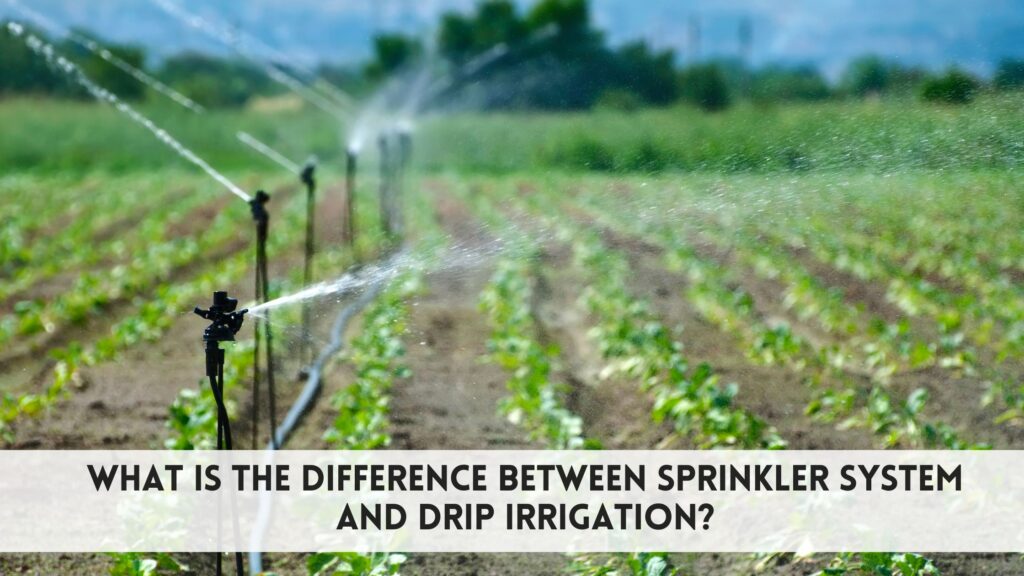
Drip irrigation is an efficient way to water gardens, lawns, and landscapes in Austin, Texas. By delivering water directly to plant roots, it helps reduce water waste while keeping plants properly hydrated. Drip Irrigation for Austin Residential Landscaping can be a practical choice for homeowners looking to maintain healthy landscapes while using water more efficiently. The right system depends on factors such as landscape size, plant types, soil conditions, and installation requirements. This blog explores the benefits, costs, maintenance needs, and long-term savings of drip irrigation for Austin residential properties.
Average Drip Irrigation Cost Per Acre by System Type
Understanding these per-acre costs can help farmers, landscapers, and property owners plan budgets effectively while improving water efficiency and crop yields. Below is an estimated cost breakdown for different drip irrigation setups in Austin.
| Drip Irrigation System Type | Cost Per Acre (USD) | Description |
| Basic Surface Drip System | $1,000 – $1,500 | Suitable for small gardens or residential landscapes; easy to install with minimal equipment. |
| Mid-Range Drip System | $1,800 – $2,500 | Ideal for orchards, vineyards, and mid-sized farms; includes higher-quality tubing and emitters. |
| High-End/Subsurface System | $2,500 – $3,000+ | Advanced setup for commercial farms; delivers water directly to roots below soil surface for maximum efficiency. |
The table above provides a clear overview of drip irrigation costs per acre in Austin, Texas, helping property owners and farmers plan budgets effectively. A basic surface drip system is the most affordable option, ideal for small gardens or residential landscapes, costing between $1,000 and $1,500 per acre. Mid-range systems, ranging from $1,800 to $2,500 per acre, suit orchards, vineyards, and medium-sized farms and offer higher-quality tubing and emitters. High-end subsurface systems cost more than $2,500 per acre and deliver water directly to plant roots below the soil surface for maximum efficiency and water savings. Costs vary based on acreage, soil type, and installation complexity.
Drip Irrigation Maintenance Cost Per Acre
Proper maintenance keeps your drip irrigation system efficient and long-lasting in Austin. Typical annual maintenance costs range from $100 to $300 per acre, covering:
- Flushing drip lines ($30–$70/acre): Prevents clogs and ensures smooth water flow.
- Checking emitters ($20–$50/acre): Identifies blockages for consistent irrigation.
- Seasonal adjustments ($25–$60/acre): Adapts system for Austin’s hot summers and variable rainfall.
- Repairs to hoses or fittings ($25–$120/acre): Maintains system integrity and prevents leaks.
Regular upkeep reduces costly replacements and maximizes water efficiency for crops and landscapes.
What Factors Affect Drip Irrigation Cost Per Acre?
Several factors influence the total cost of a drip irrigation system in Austin:
Size and Shape of the Land
The size and shape of your property directly impact material and labour costs. Larger acres or irregularly shaped fields require more tubing, emitters, and design adjustments, increasing installation time and overall drip irrigation cost per acre.
System Type and Installation Method
Choosing between surface systems and subsurface drip irrigation significantly affects pricing. Subsurface systems cost more because they require deeper installation and more advanced components, but they reduce evaporation and improve long-term water efficiency, especially in Austin’s hot climate.
Water Pressure and Flow Management
Proper flow rates are essential for uniform water distribution across crops or landscapes. A quality pressure regulator is often required to maintain consistent pressure, prevent emitter damage, and ensure efficient performance, which adds to upfront costs.
Water Loss and Environmental Conditions
Local climate conditions, soil type, and exposure influence system design. High temperatures increase evaporation, so emitters must be placed and spaced optimally. Designing a system that minimises water loss improves performance but may increase initial installation expenses per acre.
Long-Term Savings and ROI of Drip Irrigation
Drip irrigation systems are typically used for long-term efficiency, offering strong financial returns despite higher upfront costs. By delivering water directly to the plant root zone, these systems reduce water use by 30%–50%, helping property owners comply with local regulations and water conservation standards in Austin. Over time, reduced water consumption and lower energy demand from the water source translate into 20%–40% annual utility savings. Improved irrigation precision also enhances crop health and yield, contributing to an estimated ROI of 120%–200% within 3–5 years. Durable system components, such as quality tubing, emitters, and pressure controls, further reduce maintenance and replacement costs. Overall, drip irrigation delivers measurable savings, operational efficiency, and long-term value for farms and landscapes.
How Much Water Can Drip Irrigation Save Per Acre?
Drip irrigation can significantly reduce water use per acre by delivering moisture directly to the root zone instead of spraying large areas. Compared with traditional sprinklers, drip systems typically save 30%–60% more water per acre, especially in hot, dry climates like Austin. The use of strategically placed lateral lines ensures uniform distribution and minimises runoff, wind drift, and overspray commonly associated with traditional sprinklers. By applying water slowly and precisely, drip irrigation reduces evaporation losses and improves soil moisture retention. Over a full growing season, these efficiencies can save thousands of gallons of water per acre, making drip irrigation a smart, sustainable solution for farmers, landscapers, and property owners focused on conservation and long-term cost control.
Conclusion
So, how much does drip irrigation cost per acre? Investing in a drip irrigation system is a smart way to maximise water efficiency, reduce labour, and improve crop yields. While the upfront cost per acre varies by system type, soil conditions, and installation complexity, the long-term benefits far outweigh the initial expenses. Proper maintenance, regular inspections, and timely repairs ensure consistent performance and prevent costly replacements. Buying the right irrigation system based on crop type, acreage, and water requirements enhances efficiency and delivers optimal returns. Additionally, rebates, professional installation, and conservation programs can reduce costs and simplify setup.
Frequently Asked Questions
Can you install drip irrigation on sloped land?
Yes, you can install drip irrigation on sloped land. Pressure-compensating emitters, properly divided irrigation zones, and suitable pressure regulation help maintain consistent water distribution across different elevations.
Do I need a filter for a drip irrigation system?
Yes, filtration is strongly recommended for drip irrigation. A filter removes sediment and debris from the water supply, helping prevent clogged emitters and maintain consistent water flow throughout the system.
Can drip irrigation be automated?
Yes, you can automate drip irrigation with controllers, valves, timers, and moisture sensors. Automation lets property owners schedule watering based on plant needs, weather conditions, and seasonal changes.
How often should drip irrigation run?
Drip irrigation frequency depends on crop type, soil conditions, weather, and system output. In Austin, adjust watering schedules seasonally to provide adequate moisture without wasting water.
Can you repair drip irrigation instead of replacing it?
Yes, you can repair many drip irrigation problems without replacing the entire system. You can typically service damaged tubing, clogged emitters, faulty fittings, valves, and pressure components individually.