Xeriscaping is a sustainable landscaping approach that focuses on water conservation, low maintenance, and eco-friendly gardening. This method replaces traditional water-thirsty lawns with drought-resistant plants, mulch, rocks, and efficient irrigation systems, making it an ideal solution for homeowners in arid, semi-arid, or drought-prone regions. So, How to xeriscape backyard? By implementing xeriscaping, you can significantly reduce outdoor water use while maintaining a visually appealing, thriving backyard.
Xeriscaping has gained widespread popularity because it lowers water bills, reduces maintenance, and supports local biodiversity. Unlike traditional landscaping services, which require frequent watering, mowing, and fertilization, xeriscaping uses native plants and water-efficient designs to create a sustainable, self-sufficient outdoor space.
How to xeriscape backyard? Step- By- Step Guide
Creating a xeriscape backyard requires careful planning, strategic plant selection, and efficient water management. Whether you’re in a drought-prone region or looking for a low-maintenance landscaping solution, xeriscaping can transform your outdoor space into a beautiful, eco-friendly, and cost-effective area.
1. Assess Your Backyard and Soil
Evaluate your Austin backyard for sunlight, soil quality, drainage, and existing grass. Identify areas that receive full sun or shade, then plan your xeriscape landscaping around local conditions, water availability, and plant requirements.
2. Replace Water-Thirsty Grass
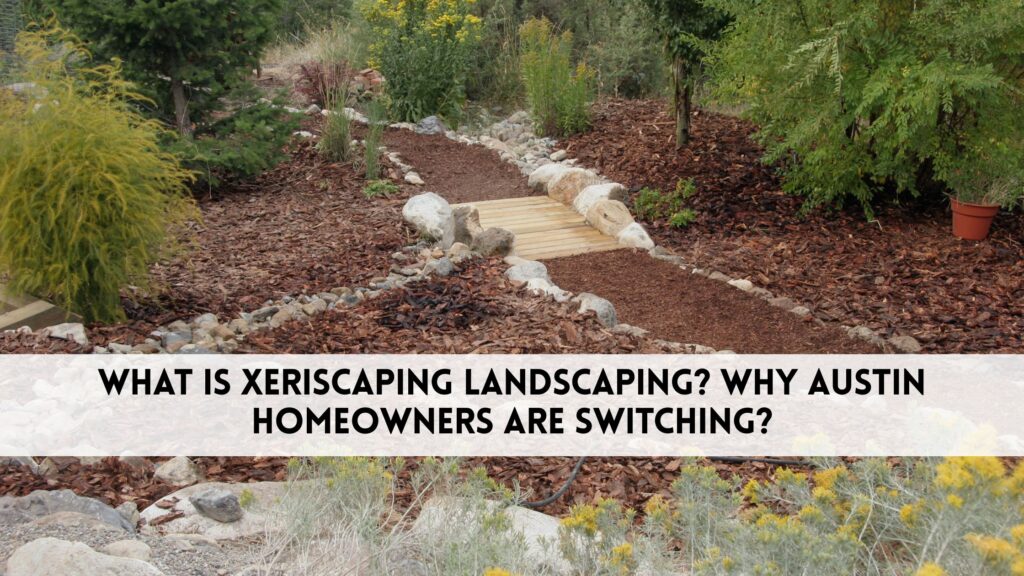
Remove unnecessary turf and replace it with drought-tolerant plants, native ground covers, mulch, or decorative gravel. If you want to keep some lawn, choose a grass variety suited to Austin’s climate and limit it to functional areas.
3. Install Efficient Irrigation
Use drip irrigation to deliver water directly to plant root zones, reducing evaporation and runoff. Group plants with similar water requirements into hydrozones, and adjust watering schedules according to Austin’s seasonal weather and plant needs.
4. Add Drought-Tolerant Plants and Hardscaping
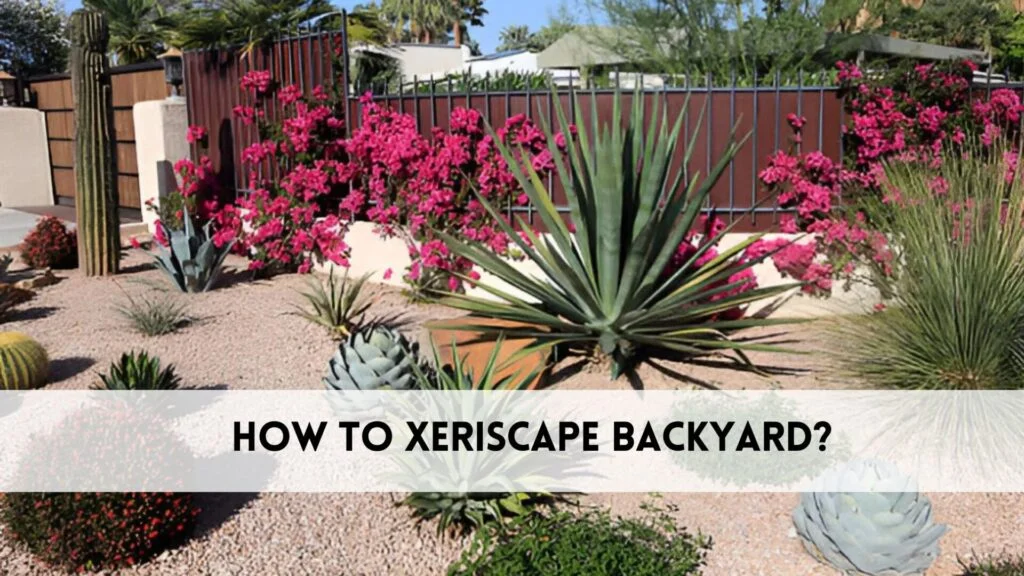
Choose Austin-friendly xeriscape plants such as Texas sage, blackfoot daisy, lantana, and agave. Add mulch, rocks, pathways, patios, or permeable pavers to reduce water-dependent areas while creating an attractive, low-maintenance backyard landscape.
How to Practice Xeriscape Landscaping?
You can transform your backyard into a water-efficient, low-maintenance, and visually stunning outdoor space. A well-planned xeriscape garden follows these seven key principles:
| Xeriscaping Principle | Description |
| Planning & Design | Create a strategic layout for plant placement and irrigation. |
| Soil Improvement | Enhance soil with compost to retain moisture. |
| Efficient Irrigation | Use drip irrigation and rainwater collection. |
| Appropriate Plant Selection | Choose drought-tolerant and native plants. |
| Mulching | Apply organic mulch to retain soil moisture. |
| Hardscaping Features | Reduce grassy areas with rocks and pathways. |
| Maintenance | Prune, weed, and check irrigation systems regularly. |
A successful xeriscape landscape combines thoughtful planning, healthy soil, efficient irrigation, drought-tolerant plant selection, and strategic use of mulch and hardscaping. Start by designing planting areas based on sunlight, drainage, and water needs. Improve soil where necessary to support healthy root growth, then use drip irrigation to deliver water directly to plants while minimizing evaporation and runoff. Choose native and drought-tolerant plants for Austin’s climate, and group them by similar water needs through hydrozoning. Mulch conserves moisture and controls weeds, while decorative rock, pathways, and patios can reduce water-dependent areas. Regular pruning, weeding, irrigation inspections, and seasonal maintenance keep your xeriscape backyard healthy, attractive, and water-efficient year-round.
Benefits of Xeriscaping
Xeriscaping offers numerous advantages beyond just water conservation. It is an efficient, sustainable, and cost-effective landscaping method that benefits both homeowners and the environment. Here, we explore why xeriscaping is a smart landscaping choice and how it can transform your outdoor space into a low-maintenance, eco-friendly haven.
Water Conservation:
Water scarcity is a growing concern in many regions, and xeriscaping helps homeowners conserve up to 75% of water compared to traditional lawns. Instead of relying on constant irrigation, xeriscaped yards incorporate drought-tolerant plants, efficient irrigation systems, and moisture-retaining soil amendments to reduce water wastage.
Key Benefits:
- Lower monthly water bills and reduced dependency on municipal water supply.
- Reduced risk of water shortages, especially in drought-prone areas.
- Eliminates the need for excessive watering, saving both time and resources.
Low Maintenance
Traditional lawns demand frequent mowing, fertilizing, and pest control. In contrast, xeriscaping is designed for minimal upkeep, making it perfect for busy homeowners or those who prefer effortless landscaping.
How Xeriscaping Reduces Maintenance:
- Drought-resistant plants require less watering and care.
- No mowing needed – Hardscaping and mulch replace traditional turfgrass.
- Fewer weeds grow due to the use of mulch and ground covers.
- No chemical fertilizers or pesticides required, reducing environmental impact.
Eco-Friendly Landscaping
Xeriscaping contributes to a healthier ecosystem by supporting local wildlife, reducing pollution, and promoting soil health. Unlike traditional landscaping, which often relies on chemical fertilizers and pesticides, xeriscaping works with nature rather than against it.
Eco-Friendly Advantages of Xeriscaping:
- Encourages pollinators like bees, butterflies, and hummingbirds to thrive.
- Reduces chemical runoff into water sources, preventing soil contamination.
- Improves air quality by reducing lawn mower emissions.
- Conserves natural resources while maintaining aesthetic appeal.
Cost-Effective
While xeriscaping requires an initial investment, it quickly pays for itself by cutting long-term maintenance costs. Homeowners save money on watering, lawn care services, fertilizers, and pesticides, making it a smart financial decision.
How Xeriscaping Saves Money:
- Lower utility bills from reduced water use.
- Minimal ongoing maintenance costs- no need for mowing, fertilizing, or frequent replacements.
- Durable hardscaping materials (gravel, stone pathways) last for years without costly upkeep.
- Increases property value, as buyers prefer water-efficient, low-maintenance landscapes.
Erosion & Weed Control
Soil erosion and weed overgrowth can be major challenges in traditional gardens. Xeriscaping helps combat these issues naturally, using mulch, ground covers, and hardscaping elements to stabilize the soil and reduce unwanted plant growth.
Erosion Control with Xeriscaping:
- Mulch retains moisture and prevents soil from drying out and eroding.
- Drought-tolerant ground covers (like creeping thyme or ice plant) hold soil in place.
- Strategic plant placement ensures that roots reinforce the soil, preventing runoff.
Weed Prevention:
- Thick layers of mulch and decorative rocks suppress weed growth.
- Native plants outcompete invasive species, reducing the need for herbicides.
- Less maintenance means fewer hours spent weeding.
Additional Tips for Xeriscape Landscaping
- Use Permeable Pavers: Let water soak into the soil instead of running off.
- Consider Artificial Turf: If you prefer a lawn-like look with zero maintenance.
- Group Plants Wisely: Place thirstier plants in shaded areas to reduce water loss.
- Use Rocks Creatively: Large rocks add a natural aesthetic while reducing plant coverage.
- Test Your Soil: Ensure proper drainage and nutrient balance before planting.
Best Plants for Xeriscapes
Choosing the right plants is essential for a successful xeriscape backyard. The best xeriscape plants are drought-tolerant, low-maintenance, and adapted to dry conditions.
Succulents (Ideal for Low-Water Landscaping)
- Agave – Striking, architectural plant that thrives in arid conditions.
- Aloe Vera – Requires minimal watering and offers medicinal benefits.
- Sedum (Stonecrop) – Hardy, drought-resistant succulent with colorful foliage.
Drought-Tolerant Shrubs
- Lavender – Fragrant, pest-resistant, and thrives in dry soil.
- Rosemary – Hardy herb that doubles as a culinary favorite.
- Russian Sage – Beautiful purple flowers with low water needs.
Ornamental Grasses (Lawn Alternatives)
- Blue Fescue – Compact, drought-resistant, and adds texture to landscapes.
- Buffalo Grass – Native grass that requires little to no watering.
- Fountain Grass – Soft, flowing grass that adds movement and visual appeal.
Drought-Resistant Perennials
- Coneflowers (Echinacea) – Vibrant flowers that attract pollinators and require little water.
- Black-eyed Susan – Hardy, bright yellow flowers that thrive in dry soil.
- Yarrow – Spreads easily, resists drought, and produces colorful blooms.
5. Native Ground Covers (Mulch Replacement)
- Creeping Thyme – An aromatic, drought-resistant ground cover that helps prevent weeds.
- Ice Plant – Thrives in sandy soil and adds bursts of bright color.
- Lantana – Fast-growing, colorful, and excellent for erosion control.
Final Words
So, How to xeriscape backyard? Xeriscaping is the ultimate solution for a water-efficient, cost-effective, and low-maintenance backyard. By replacing traditional lawns with drought-resistant plants, mulch, and hardscaping, you can reduce water consumption by up to 75%, lower maintenance costs, and create a stunning, eco-friendly landscape. Beyond saving resources, xeriscaping enhances biodiversity, prevents soil erosion, and increases property value. Whether you live in a drought-prone area or want a sustainable garden, xeriscaping offers a practical, aesthetically pleasing alternative. Start planning your xeriscape backyard today and enjoy a low-maintenance, environmentally friendly outdoor space for years to come!
Frequently Asked Questions
1. What are the best plants for xeriscaping in Austin?
Texas sage, blackfoot daisy, lantana, autumn sage, yucca, agave, and other native or drought-tolerant plants are suitable options for Austin xeriscape landscapes.
2. Does xeriscaping eliminate the need for irrigation?
No. Xeriscape plants still need water, especially while establishing. Drip irrigation provides targeted watering and helps reduce evaporation, runoff, and unnecessary water use.
3. Is xeriscaping expensive in Austin, Texas?
Xeriscaping costs vary based on yard size, plant selection, irrigation, lawn removal, mulch, rock, and hardscaping. A customized design can help control installation and long-term maintenance costs.
4. How much maintenance does a xeriscape backyard require?
Xeriscape yards require less maintenance than traditional lawns but still need occasional watering, pruning, weeding, irrigation checks, and mulch replenishment to remain healthy and attractive.