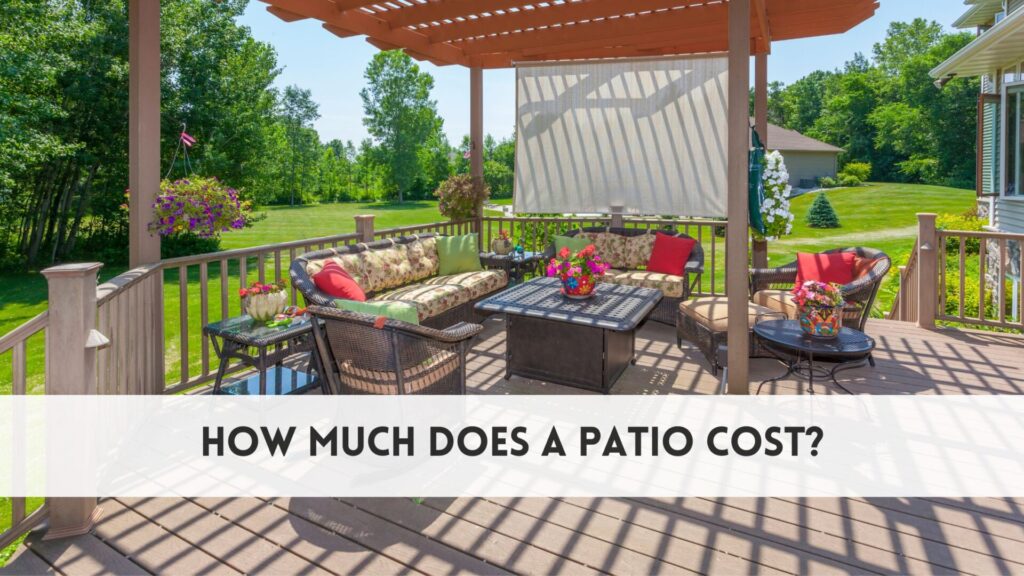
A patio is an outdoor space typically paved or designed for recreational use, often attached to a house or located in a backyard. It serves as a versatile area for relaxation, dining, and entertaining. So, How much does a patio cost? Patios can be made from various materials such as concrete, pavers, stone, or wood, offering homeowners flexibility in design and functionality. When you’re looking to create a cozy outdoor retreat or a spacious entertaining area, understanding the factors that influence patio costs is essential. In this guide, we’ll break down the costs and key considerations to help you make the best choice for your home.
Average Patio Cost in Austin, TX by Size and Material
Patio costs can vary significantly based on size, material, labour, and design complexity. To give you a clearer idea, we’ve broken down estimated costs below by patio size and material.
| Patio Size | Concrete Patio | Paver Patio | Natural Stone Patio |
| 100 sq. ft. | $1,500–$3,000 | $2,000–$4,000 | $2,500–$5,000 |
| 200 sq. ft. | $3,000–$6,000 | $4,000–$8,000 | $5,000–$10,000 |
| 300 sq. ft. | $4,500–$9,000 | $6,000–$12,000 | $7,500–$15,000 |
| 400 sq. ft. | $6,000–$12,000 | $8,000–$16,000 | $10,000–$20,000 |
| 500 sq. ft. | $7,500–$15,000 | $10,000–$20,000 | $12,500–$25,000 |
This table outlines how patio projects in Austin vary by size, materials, and design complexity, helping homeowners evaluate costs to build more efficiently. From simple concrete layouts to premium natural stone finishes, each category reflects different levels of durability and aesthetics. Advanced options may include features like a pergola or outdoor living upgrades. It also helps compare patio investments with the cost of building a deck, providing a clearer perspective when planning a functional, long-lasting outdoor space.
How Much Does a 20×20 Paver Patio Cost?
A 20×20 paver patio (400 sq. ft.) in Austin typically costs between $6,000 and $12,000, depending on material quality, labor rates, and design complexity. Basic pavers with standard installation fall on the lower end, while premium stone pavers, intricate patterns, and added features increase the price. Site preparation, grading, and drainage are critical in Austin due to clay-heavy soil, which can impact stability and longevity. Additional elements such as borders, seating walls, or an outdoor fire feature can further increase costs. Hiring professional contractors ensures proper base installation, preventing shifting, cracking, and costly repairs over time.
Do You Need a Permit for Patio Construction in Austin?
In Austin, patio permit requirements vary depending on the size, design, and type of structure for your outdoor project. A simple ground-level patio may not always require approval, but a covered patio or any structure considered a permanent addition often needs permits and inspections. The type of patio material also plays a role, especially when drainage, grading, or foundation work is involved. Projects with electrical wiring, plumbing, pergolas, or retaining walls usually require additional approvals from local building authorities. Permit fees can range from a few hundred dollars to more, depending on project complexity. Homeowners should also expect to pay for inspections or site plan reviews to ensure the patio complies with Austin building codes and zoning regulations.
Professional Installation vs DIY- Cost Comparison
The decision to hire a professional or take on the project yourself can significantly impact your patio’s total cost.
| Cost Factor | Professional Installation | DIY Installation |
| Labor Costs | Professional labor adds a high cost. | No labor costs, but requires time and skill. |
| Material Costs | May have access to industry discounts. | Direct material selection, but no professional discounts. |
| Tools and Equipment | Equipment rental is often included in the quote. | Need to rent or purchase equipment separately. |
| Quality and Finish | Ensures high-quality, professional results. | Risk of lower quality due to lack of experience. |
| Time Commitment | Quick installation (2-5 days). | Time-consuming, may take several weekends. |
| Warranty and Guarantees | Offers warranties for both materials and labor. | No warranties; homeowner is responsible for repairs. |
Choosing professional patio installation in Austin ensures faster completion, expert craftsmanship, and a warranty, but it comes at a higher upfront cost. DIY patios reduce labor expenses but require more time, skill, and risk of errors that may lead to costly repairs later.
Ways to Save on Patio Installation Costs
Careful planning and smart material choices can help reduce patio installation costs while still creating a durable and attractive outdoor space in Austin.
- Select cost-effective patio materials like standard concrete to reduce installation expenses while maintaining strength, durability, and long-term performance.
- Avoid unnecessary upgrades such as covered structures or custom features, since patio roof additions can significantly raise overall project costs.
- Choose simple paver layouts and standard installation patterns to minimise labour requirements and reduce construction time.
- Complete major patio essentials first, then add upgrades like outdoor kitchens, fire pits, or seating walls in future phases.
- Request estimates from multiple local patio contractors to compare pricing, workmanship, materials, and warranty coverage before making a decision.
How Long Does Patio Installation Take in Austin?
Patio installation time in Austin depends on design, materials, and site conditions, but a standard patio typically takes 2 to 7 days to complete. A basic poured concrete patio can be installed in 2–3 days, including curing time, while paver patios may take 4–6 days due to base preparation and precision work. Projects like a raised patio or designs that call for an elevated structure require additional time for framing and support. Choosing the right size and layout also affects timelines, as larger or more complex patios require extended preparation, levelling, and finishing to ensure long-term durability.
Final Words
The cost of building a patio in Austin depends on several factors, including patio size, material selection, labour, design complexity, and additional outdoor features. Careful planning helps homeowners avoid unnecessary expenses and ensures the patio remains durable for years.
Concrete patios are often the most budget-friendly option, while paver and natural stone patios provide a more premium appearance and long-term curb appeal. It is also important to consider drainage, soil conditions, and local permit requirements before starting construction. Working with experienced patio contractors can improve installation quality and reduce the risk of future repairs. With the right design, materials, and budget planning, a professionally built patio can enhance outdoor living comfort, increase property value, and create a functional space for relaxation and entertainment.
Frequently Asked Questions
How long does a concrete patio last in Austin?
A professionally installed concrete patio can last 25–30 years with proper sealing, maintenance, drainage planning, and routine surface cleaning services.
What is the most affordable patio material?
Concrete is usually the most affordable patio material because it offers durability, simple installation, low maintenance, and long-term outdoor performance.
Can a patio increase property value?
A well-designed patio improves outdoor living space, enhances curb appeal, and may significantly increase overall home resale value for Austin homeowners.
What patio material works best in hot climates?
Pavers and natural stone perform well in hot climates because they resist heat damage, improve drainage, and offer long-lasting durability outdoors.
Does patio installation require site preparation?
Yes, proper grading, soil compaction, drainage planning, and base preparation are essential before patio installation to prevent cracking and shifting issues.