Creating a weed-free, low-maintenance garden is a priority for many homeowners in Round Rock, TX. One effective solution for achieving this is landscape fabric. Designed to control weed growth, enhance soil structure, and protect plant roots, landscape fabric offers numerous benefits. However, a common question among gardeners is: Do you put soil on top of landscape fabric? In this article, we’ll explore whether soil should be added to landscape fabric, how it benefits your garden, and provide expert tips for using it effectively. Discover how to maximize the advantages of landscape fabric for a thriving, low-maintenance garden.
What is Landscape Fabric?
Landscape fabric is a geotextile material made of synthetic fibers, typically polypropylene or polyester, used to prevent weed growth while allowing water, air, and nutrients to reach the soil beneath. It is commonly used in landscaping projects in Round Rock, TX, due to its ability to enhance plant growth and reduce maintenance.
Landscape fabric is designed to be laid on top of the soil, under mulch or gravel, to create a barrier that prevents weeds from growing. It helps reduce the need for chemical herbicides and labor-intensive weeding. Additionally, landscape fabric helps regulate soil temperature and moisture, which is especially beneficial for gardens in Texas’s varied climate conditions.
Benefits of Using Landscape Fabric
Landscape fabric is a proven tool for maintaining healthy, low-maintenance gardens. Here are some of its key benefits:
Weed Control
Landscape fabric is highly effective in preventing weed growth. By blocking sunlight, it creates a physical barrier between the soil and weeds, stopping them from sprouting. This eliminates the need for harsh chemical herbicides and reduces the time spent on weeding. In Round Rock, where invasive weeds can thrive, using landscape fabric ensures a cleaner, healthier garden and allows your desired plants to flourish without competition from unwanted growth.
Soil Moisture Retention
One of the significant benefits of landscape fabric is its ability to retain soil moisture. It reduces evaporation, ensuring that your plants stay hydrated, especially during Round Rock’s hot, dry months. By maintaining consistent moisture levels, landscape fabric helps conserve water and reduces the frequency of watering, making it an eco-friendly solution. This benefit is especially important in Texas’ often drought-prone conditions, where water conservation is key for maintaining a healthy garden.
Temperature Regulation
Landscape fabric helps regulate soil temperature by insulating plant roots. During the hot Texas summers, it prevents the soil from overheating, ensuring that plant roots remain cool and healthy. Similarly, in colder months, it protects against freezing temperatures, creating a stable environment for plant growth. In Round Rock’s fluctuating climate, where extreme temperature shifts are common, landscape fabric provides plants with the temperature stability they need to thrive year-round.
Erosion Prevention
Landscape fabric plays a vital role in preventing soil erosion, especially in areas like Round Rock, where heavy rains can wash away topsoil. Stabilizing the soil and promoting better moisture retention helps prevent soil displacement and damage to plant roots. This makes landscape fabric an ideal solution for slopes, garden beds, and areas with poor drainage. By reducing erosion it helps maintain the integrity of your garden while improving plant health.
Improved Aesthetic
Landscape fabric not only improves garden health but also enhances its appearance. By preventing weeds, it creates a tidy, neat garden without unsightly, overgrown areas. The fabric also reduces the need for excessive mulch, which can become uneven or depleted over time. In Round Rock, where curb appeal is important, landscape fabric ensures your garden stays pristine, low-maintenance, and visually appealing throughout the year. It’s a practical solution for both aesthetic and functional gardening.
Do You Put Soil on Top of Landscape Fabric?
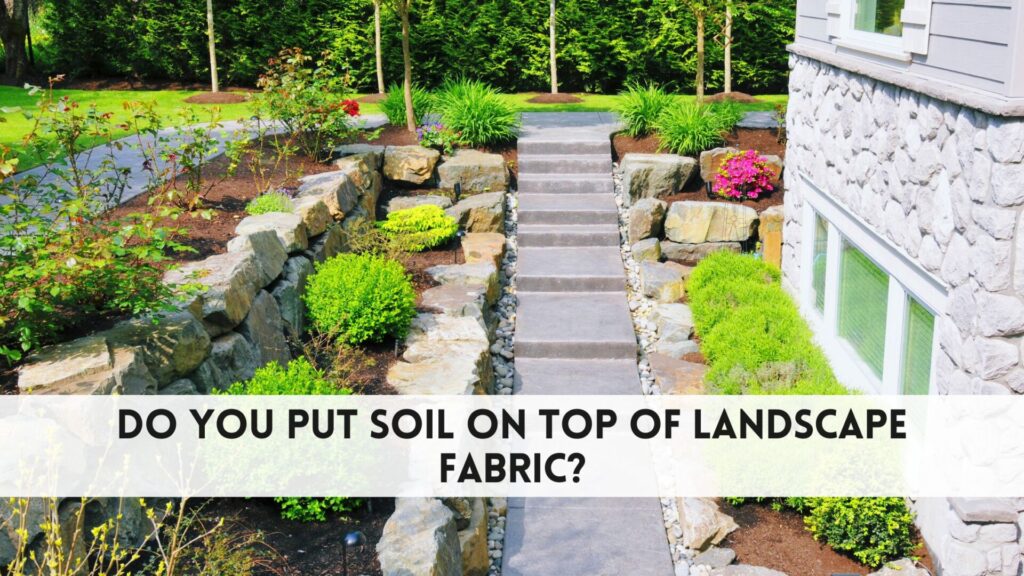
One of the most frequently asked questions about landscape fabric is whether soil should be placed on top of it. The short answer is: Yes, in most cases, soil is placed on top of landscape fabric, but the amount and type of soil depend on what you are planting.
Here are some reasons why you should put soil on top of landscape fabric:
- To Provide a Planting Medium: Landscape fabric is not enough to support plant roots on its own. Soil provides essential nutrients for plants to thrive.
- Weed Control with Soil Layering: A thin layer of soil on top of the fabric can help weigh it down, preventing it from shifting and ensuring better weed suppression.
- Moisture Retention: Soil placed on top of the fabric retains moisture, ensuring that your plants stay hydrated during dry spells.
However, it is essential to ensure that the soil is applied correctly. Too much soil may cause poor drainage, while too little may not provide sufficient nutrients for your plants. Understanding the correct soil depth for your specific needs is crucial for maximizing the benefits of landscape fabric.
How to Properly Layer Soil on Landscape Fabric?
To ensure that you get the most out of your landscape fabric, proper soil layering is essential. Here’s a step-by-step guide to laying soil on top of landscape fabric:
Prepare the Ground
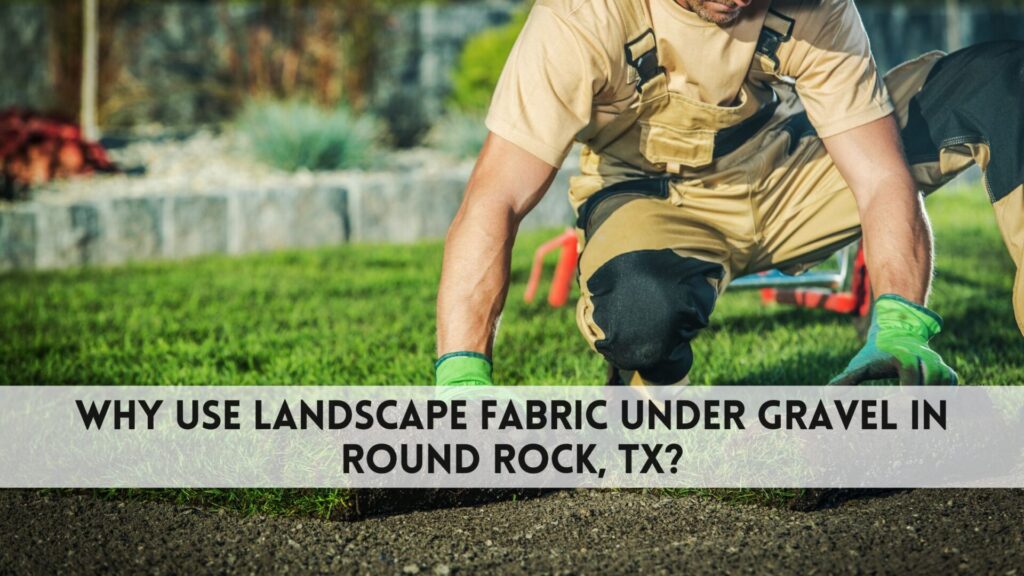
Before laying landscape fabric, start by clearing the area of weeds, rocks, and debris. Level the soil to create a smooth, even surface. Proper ground preparation ensures the fabric sits securely, preventing gaps or shifting that can compromise its effectiveness. This step is crucial for achieving long-term results in your garden, particularly in Round Rock’s diverse soil conditions.
Lay the Landscape Fabric
Once the ground is prepped, unroll the landscape fabric over the area. Cut slits where you plan to plant flowers, shrubs, or vegetables. Ensure the fabric is taut and free of wrinkles, allowing water and nutrients to pass through. Proper installation prevents the fabric from moving or bunching, which could interfere with weed control and plant growth.
Layer Soil
Next, apply a 2-3 inch layer of soil over the landscape fabric. The soil depth may vary depending on the types of plants you are growing. For vegetables, a deeper layer of soil (around 4-6 inches) is recommended. For flowers and shrubs, a thinner layer will suffice. Proper soil depth ensures your plants receive adequate nutrients while protecting the fabric.
Add Mulch
After applying the soil, add a 2-3 inch layer of mulch, such as wood chips or bark, on top. Mulch helps retain moisture, prevents weeds, and keeps the soil cool. It also adds an extra layer of protection for the landscape fabric, helping to keep it in place and improving the overall appearance of your garden in Round Rock, TX.
Maintain and Monitor
Regularly monitor your garden to ensure proper watering and soil health. Replenish the soil and mulch as needed to maintain a consistent coverage and optimal growing conditions. Over time, check the fabric for wear and tear, and ensure it remains securely in place. Proper maintenance ensures the longevity of your landscape fabric system, reducing the need for frequent replacements.
Local Resources & Recommendations
Round Rock, TX, offers a variety of resources to help you with your landscape fabric and soil needs:
Local Gardening Stores
Round Rock, TX, is home to excellent local gardening stores that provide high-quality landscape fabric and soil products. The Greenhouse on Main offers a wide selection of landscape fabric, soil amendments, and gardening tools. Round Rock Landscape Supply is another great option, featuring premium landscape fabrics and various soil types for different gardening needs. Shopping locally allows you to receive expert advice on selecting the best products for your garden, tailored to Round Rock’s unique soil and climate conditions.
Landscape Professionals
Consulting with local landscaping professionals in Round Rock is an effective way to ensure proper landscape fabric installation and soil layering. These experts understand the local climate, soil types, and specific needs of plants in Round Rock. Professional landscapers can help you with customized recommendations and efficient installation, ensuring long-lasting results. They’ll also advise on the best materials for landscape fabric and soil, making it easier to achieve the optimal growing conditions for your garden.
Local Gardening Events
Round Rock hosts annual gardening expos and workshops that are excellent resources for learning more about effective landscaping practices, including the use of landscape fabric. These events often feature local experts who share tips on improving garden health and minimizing maintenance. Participating in these events provides valuable networking opportunities with other gardeners and landscapers, while offering hands-on experience and insights into the best methods for using landscape fabric in Round Rock’s unique environment.
Final Words
So, do you put soil on top of landscape fabric? Landscape fabric is an excellent tool for creating a low-maintenance, healthy garden in Round Rock, TX. It helps control weeds, retain moisture, and improve soil health, making it an essential component of efficient landscaping. While soil is often needed on top of landscape fabric to support plant growth, it’s crucial to layer the right amount to ensure optimal plant health.
Proper soil layering, along with local resources like Round Rock gardening stores and landscaping experts, will help you achieve the best results for your garden. By following these best practices, you can create a sustainable garden that thrives year-round. For more personalized advice, reach out to local gardening professionals or visit nearby stores for landscape fabric and soil solutions.