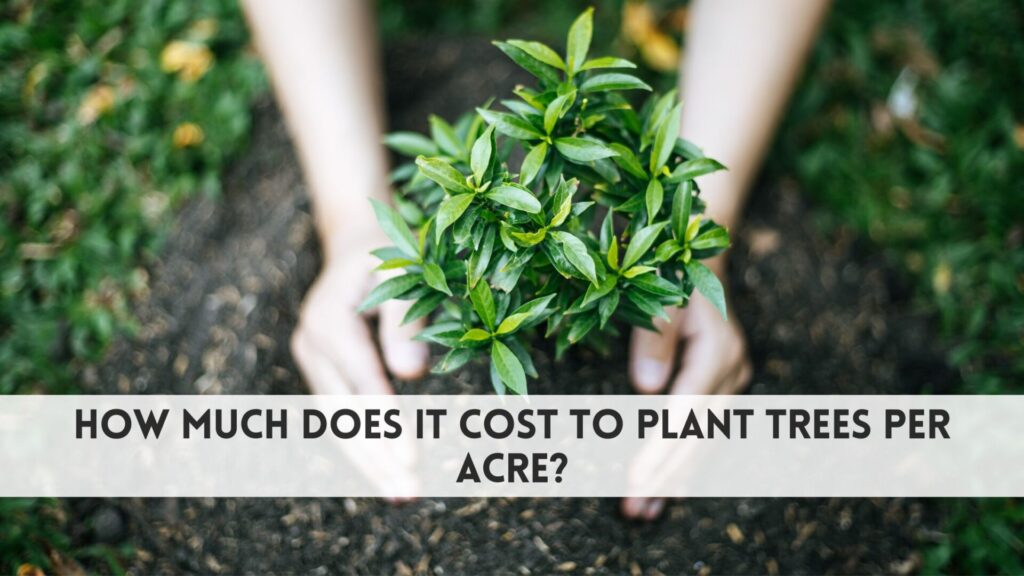
Tree planting is a valuable investment for property owners looking to improve landscapes, support environmental conservation, and enhance long-term land value. Proper planning, soil preparation, and ongoing care all play a role in ensuring trees grow successfully and remain healthy for years. Developing a clear management strategy and working with professionals who specialize in large-scale planting projects can help establish a strong ecological foundation for your property. When evaluating costs and planning your management plan, many landowners ask, how much does it cost to plant trees per acre? Understanding the factors that influence pricing helps you budget effectively and achieve sustainable results.
Average Cost to Plant Trees Per Acre in Austin
Planting trees is an investment that varies depending on several factors such as location, tree species, land conditions, and planting goals. In Austin, costs can range significantly depending on the scale and purpose of the planting project. Below is a detailed table outlining the cost to plant trees per acre in Austin:
| Item | Estimated Cost (Per Acre) |
| Site Preparation | $300 – $1,200 |
| Tree Seedlings (1,000–2,000) | $150 – $500 |
| Labor (Manual Planting) | $300 – $1,500 |
| Equipment & Machinery | $200 – $800 |
| Irrigation System (Optional) | $500 – $1,200 |
| Mulching & Fertilization | $100 – $400 |
| Maintenance (1st Year) | $150 – $1,000 |
Planting trees per acre involves several steps that work together to create healthy and productive landscapes. Site preparation ensures the soil structure supports root development and improves long-term growing conditions. Tree seedlings are selected based on climate adaptability and planting objectives, helping maximize survival rates. Labor and equipment are used to handle planting efficiently, especially on larger properties. Optional irrigation systems help maintain moisture during early establishment, while mulching and fertilization support soil health. First-year maintenance plays a key role in protecting your investment. Working in partnership with experienced professionals can also help landowners achieve better growth outcomes and long-term profit.
Key Factors That Affect the Cost to Plant Trees Per Acre
Understanding your land type and long-term objective helps create a realistic budget and ensures successful results when planting trees per acre in Austin.
Land Type and Soil Conditions
The condition of the land plays a major role in determining preparation requirements. Rocky terrain, compact soil, or uneven surfaces may require grading and clearing. Proper preparation creates stable forest growth environments and ensures tree roots develop effectively across the entire acre.
Tree Species and Plant Quality
Tree selection significantly affects planting costs and long-term results. Choosing high-quality seedlings suited to local climate conditions improves survival rates and reduces replacement needs. Property owners often select a mix of native trees and adaptable species to support healthy growth.
Planting Density and Spacing
Tree spacing determines how many trees can be planted per acre and influences total project cost. Projects using intermediate spacing allow adequate canopy development while controlling overall planting density, helping maintain balanced growth and efficient land use.
Labor and Equipment Requirements
Labor availability and equipment use can significantly influence the total labor cost of a tree planting project. Large properties often require machinery for transporting seedlings, digging holes, and preparing land, ensuring the planting process is completed efficiently and correctly.
Professional Tree Planting Services in Austin
Professional tree planting services in Austin help property owners establish healthy landscapes through expert planning, proper installation, and long-term care.
- Residential and commercial tree planting services designed to enhance curb appeal and improve landscape value across Austin properties.
- Site preparation and soil assessment to ensure proper drainage, stability, and optimal conditions for healthy tree growth.
- Selection and installation of native and climate-adapted trees suitable for Austin’s soil and weather conditions.
- Large-scale tree planting for acreage properties, land development projects, and conservation initiatives.
- Irrigation setup, mulching, and fertilization to support strong root establishment and early tree development.
- Ongoing tree care services including pruning, monitoring, and maintenance to promote long-term landscape health.
How to Estimate the Cost of Planting Trees on Your Property?
Estimating the cost of planting trees on your property requires evaluating several important factors that influence the overall project budget. Understanding land conditions, tree selection, and planting requirements helps property owners plan efficiently and avoid unexpected expenses.
- Determine how many trees you plan to plant per acre based on the required spacing and landscape goals.
- Evaluate soil quality, terrain, and site preparation needs that may affect planting difficulty.
- Choose tree species suited to Austin’s climate to ensure strong growth and long-term survival.
- Consider labour, equipment, and irrigation requirements for large-scale planting projects.
- Include first-year maintenance such as watering, mulching, and fertilization when estimating total costs.
Final Words
So, How much does it cost to plant trees per acre? Whether you are engaged in reforestation, urban landscaping, or commercial timber planting, understanding the key variables that impact costs is crucial for planning and budgeting. The overall investment should also be viewed in terms of the long-term ecological, financial, and environmental benefits, such as improved air quality, increased property value, and carbon offset.
By choosing native species, seeking financial assistance, and using strategies such as bulk purchasing or DIY site preparation, landowners can reduce costs while ensuring successful tree establishment. Hiring professionals for planting and maintenance can further guarantee the longevity and health of your trees, ensuring that your investment thrives for decades. Understanding these factors helps you make well-informed decisions and maximize the return on your tree planting project.
Frequently Asked Questions
How much does it cost to plant one tree?
The cost to plant one tree typically ranges from $100 to $1,000 depending on tree size, species, labor, and site preparation. Larger trees and professional installation usually increase the total price.
How many trees fit in one acre?
The number of trees that fit in one acre depends on spacing. For example, 10-foot spacing allows about 435 trees, while 20-foot spacing fits around 108 trees per acre.
What is the cheapest way to plant trees?
The cheapest way to plant trees is using small seedlings, preparing the site yourself, and planting manually. Choosing native species also reduces maintenance costs and improves survival rates.
Do landscapers charge per tree?
Many landscapers charge per tree for installation, especially for residential landscaping projects. Pricing often depends on tree size, planting difficulty, soil preparation, and additional services like mulching or irrigation.